
What Sex Toys Should We Get? A Practical Guide for Couples
Most couples ask what toys to buy, but the real issue is what they’re trying to improve. This guide walks you through the most effective categories of marital aids, how to actually use them well, and where most couples go wrong. You’ll learn why more products don’t equal better sex, and how to choose tools that enhance connection instead of replacing it. If you’re going to explore this area, do it with intention.

Unlocking the Prostate Orgasm: Advanced Male Pleasure and Performance
Most men assume orgasm and ejaculation are the same, but they are not. Prostate stimulation opens the door to a different kind of pleasure, including the potential for dry orgasms and multiple peaks with minimal downtime. While this is an advanced technique best suited for couples who already have a strong sexual foundation, it can significantly expand performance, control, and shared experience. With the right approach and tools, couples can explore this together in a way that is both playful and intentional. If you are ready to go beyond the basics, this may be the next level worth pursuing.
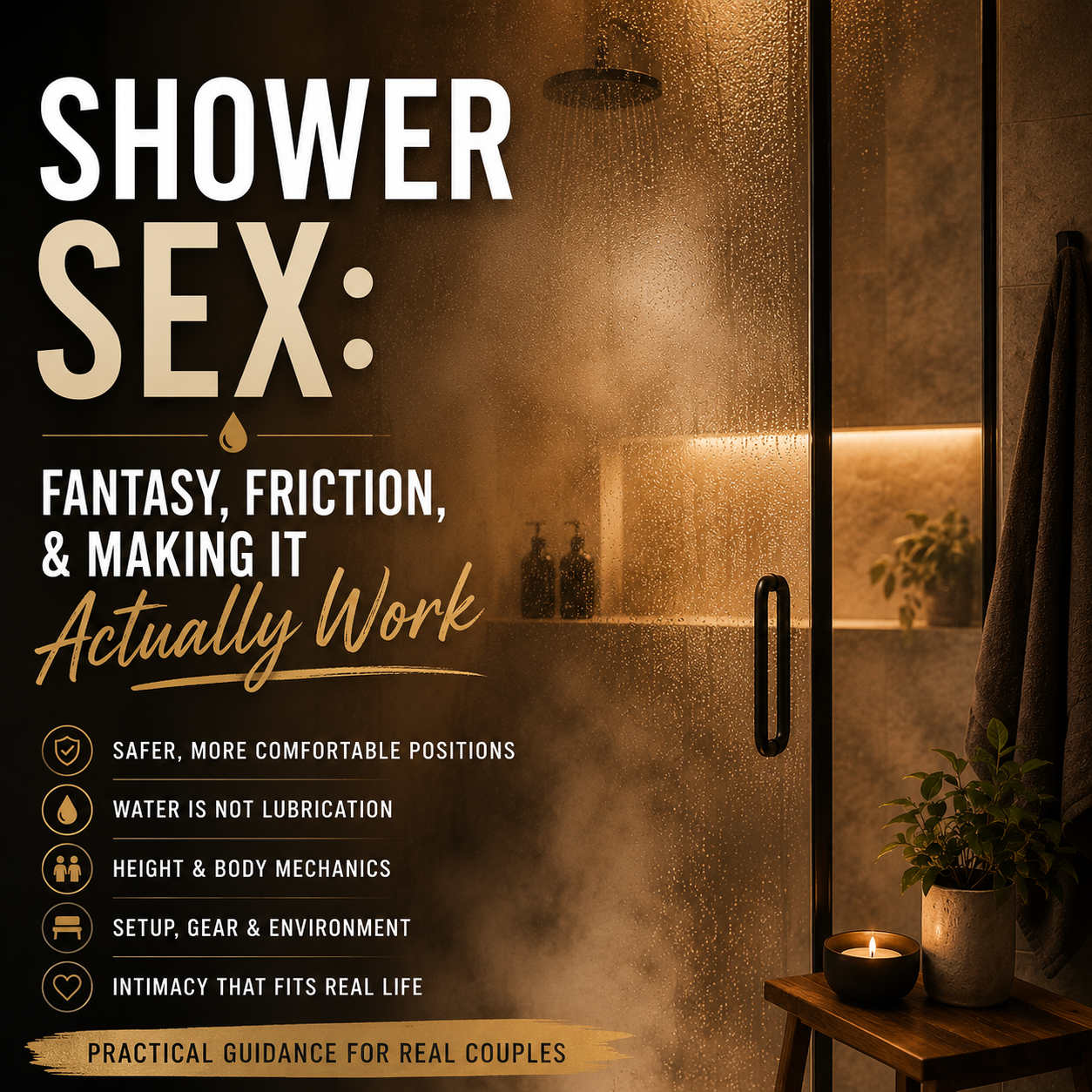
Shower Sex: Fantasy, Friction, and Making It Actually Work
Shower sex sounds effortless in fantasy, but real couples quickly discover that water, balance, friction, and cramped spaces can make it surprisingly awkward. In this practical guide, we break down how to make shower intimacy safer, more comfortable, and far more enjoyable through better positioning, environmental setup, communication, and realistic expectations. Learn why water is not lubricant, which positions actually work, how height differences affect body mechanics, and why shower intimacy is often better treated as a category of sensual experiences rather than a single performance goal. Great shower sex is less about athleticism and more about adaptability, creativity, and learning how to work with the environment instead of fighting it.
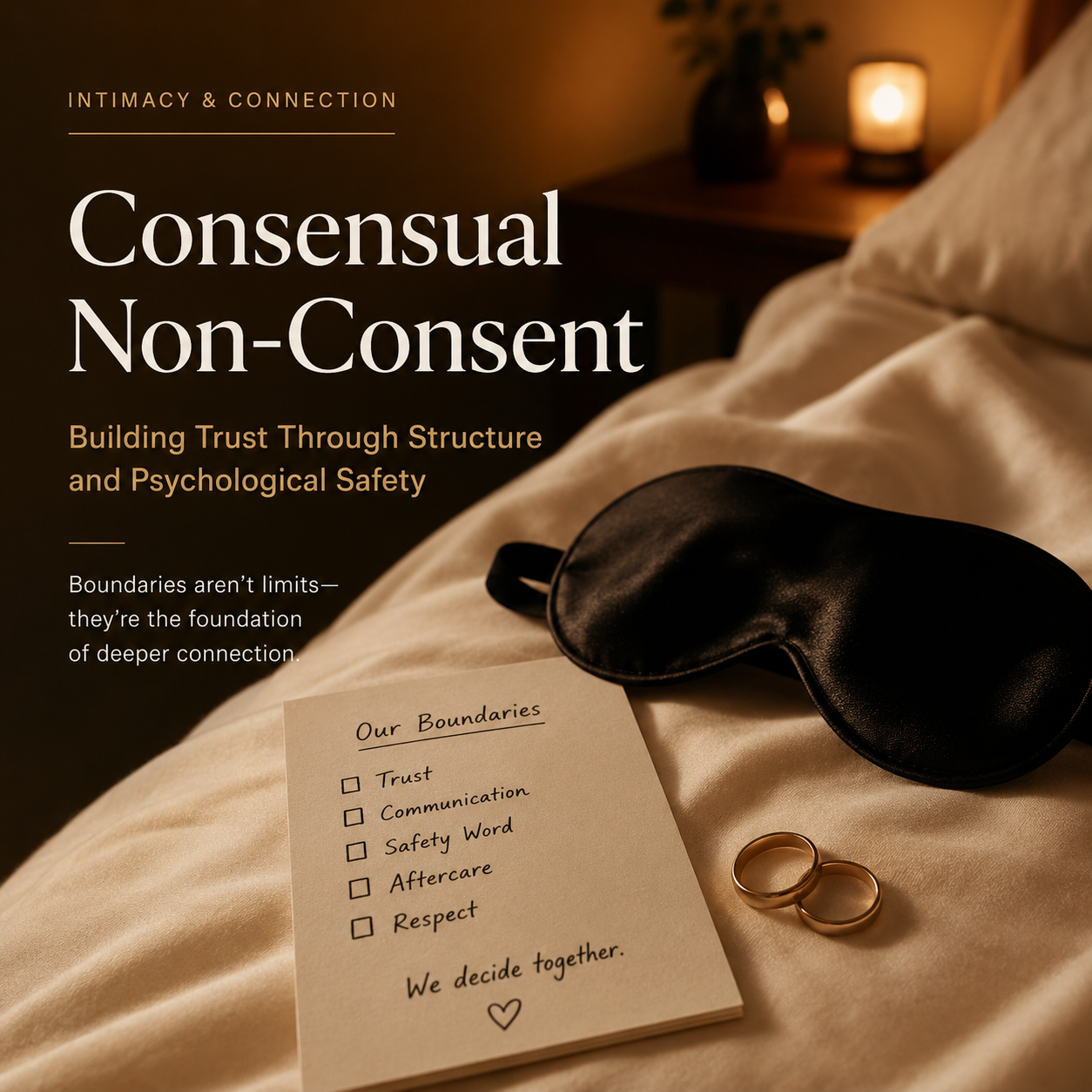
Why Some Couples Are Drawn to Consensual Non-Consent: Control, Surrender, and Trust in Marriage
Consensual non-consent is one of the most misunderstood topics in kink, especially for married couples who are trying to separate fantasy from wisdom. This article explains why some couples are drawn to CNC, what psychological needs or meanings may be underneath that interest, and why trust alone is never enough. Readers will come away with practical frameworks for thinking clearly, talking honestly, and recognizing when curiosity should remain a conversation rather than become a practice.

How to Guide Manual Stimulation More Effectively Without Killing the Mood
Many wives know when manual stimulation is almost right, but struggle to guide it without feeling awkward, critical, or disruptive. This article breaks down how to give clear, in-the-moment feedback that actually improves clitoral targeting, pressure, and consistency. Inside, you’ll learn three simple coaching techniques that help your husband adjust faster and stay with what works. If manual stimulation often feels hit-or-miss, this gives you a more practical way forward.

Better Angles, Less Strain: When Positioning Furniture Helps More Than It Hypes
Many couples think positioning furniture is about novelty when its real value is often much more practical. This article explains how wedges, benches, and swings can reduce strain, improve alignment, and support better rhythm without turning sex into a performance project. Members will learn how to evaluate whether a tool actually fits their bodies, their space, and their marriage. If comfort has been the hidden barrier, this gives you a much better place to start.
The Couple’s Guide to Slowing Him Down Together
Many husbands try to last longer by pushing through sensation alone, but that often makes control worse. This article shows couples how to slow arousal down together without losing connection, momentum, or confidence. You will learn three practical pacing techniques, the most common mistakes that speed ejaculation up, and simple ways a wife can help without making the moment feel clinical. It is a hands-on guide for couples who want better teamwork and better sexual timing.

Sensate Focus: Handout 6
Stage 5 of Sensate Focus applies the same attentional principles to intercourse, helping couples avoid slipping back into pressure or performance. This handout explains how to approach penetration slowly and sensually, including the use of stillness, gentle movement, and pauses to support awareness of physical sensation. The emphasis remains on presence rather than outcome, allowing intimacy to unfold without reverting to goal-oriented sex.
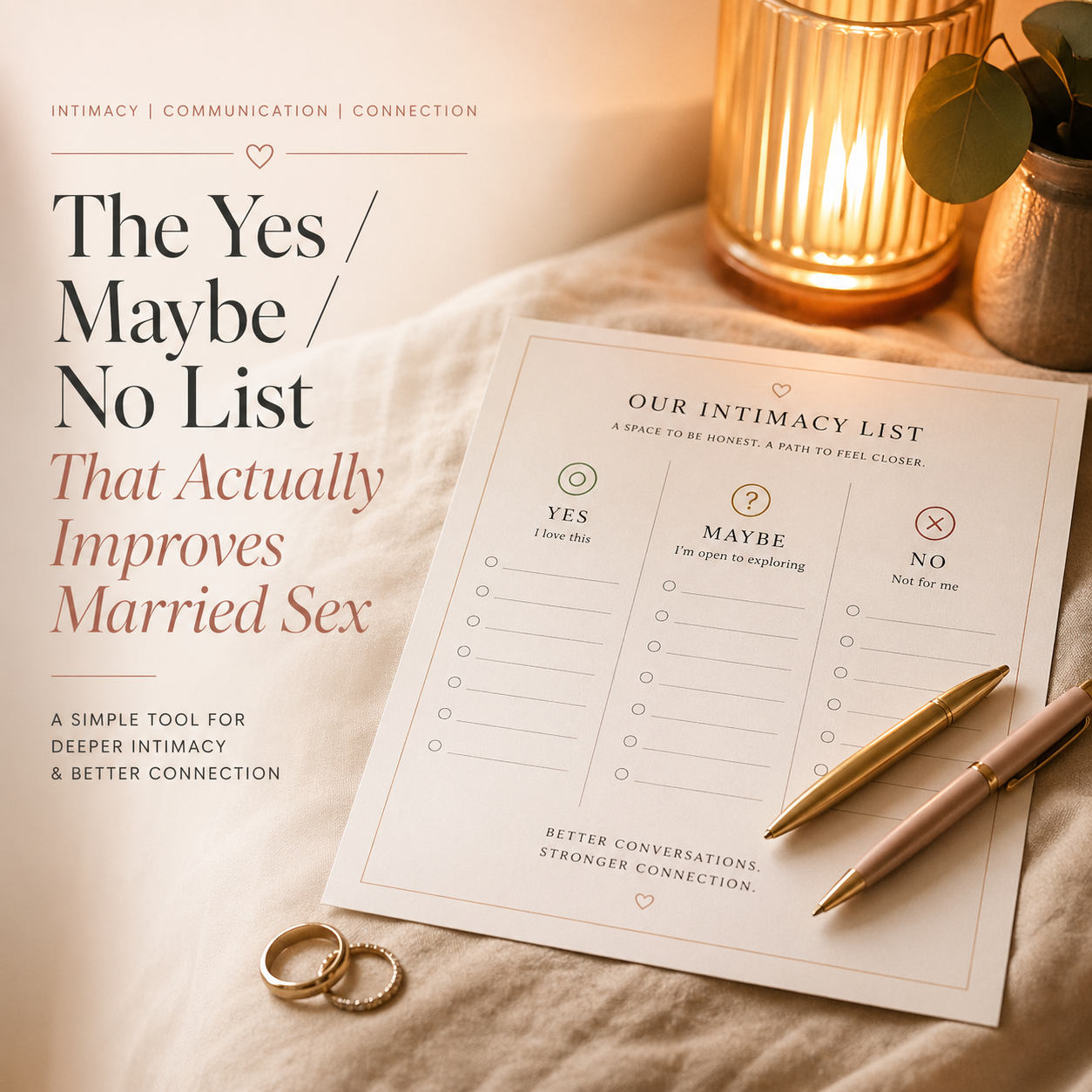
The Yes / Maybe / No List That Actually Improves Married Sex
A yes / maybe / no list can do much more than generate ideas. Used well, it helps married couples reduce awkwardness, surface hidden differences, and talk about sex with more clarity and less pressure. This article shows how to use the tool in a way that builds trust rather than tension. It also includes a downloadable worksheet couples can use right away.
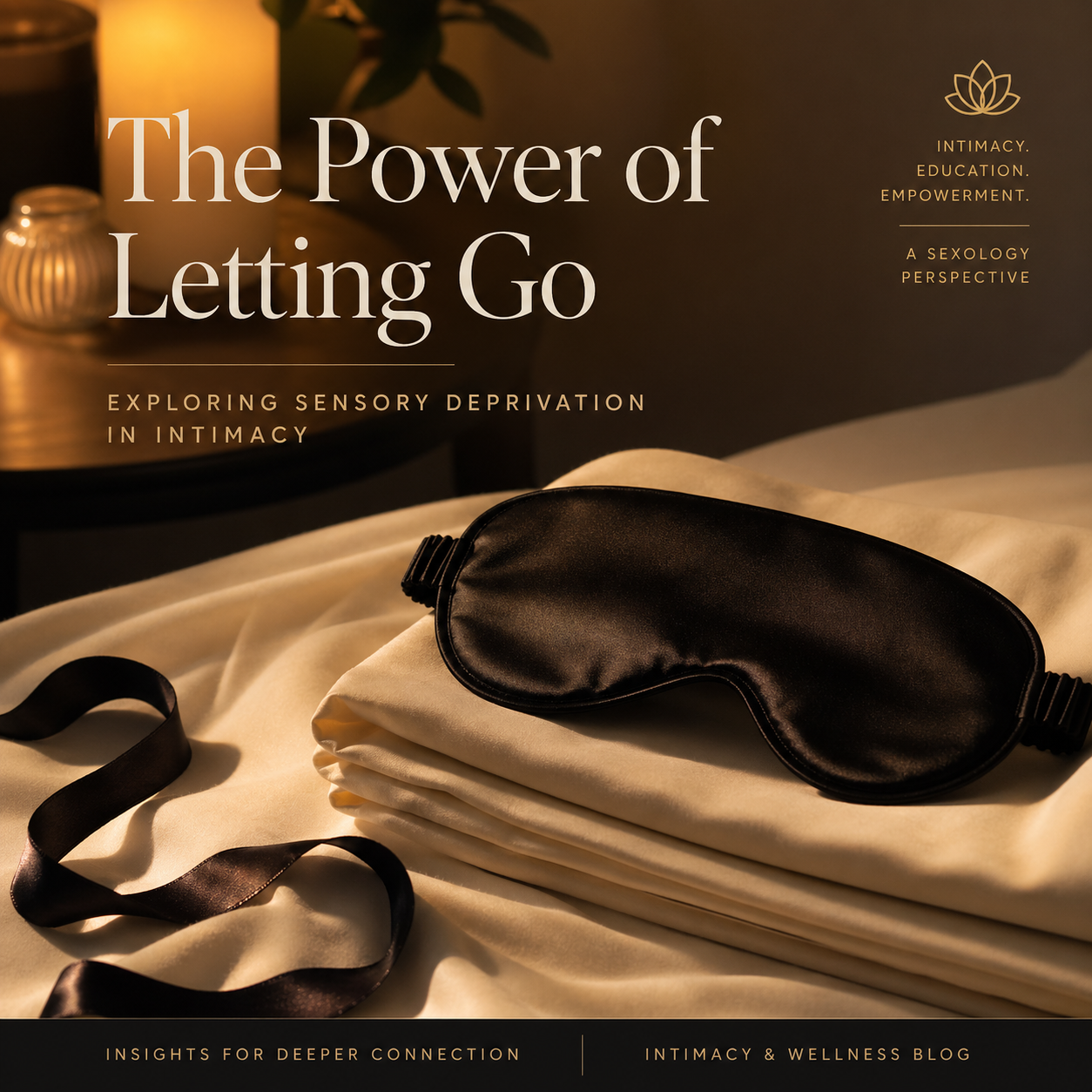
Sensory Deprivation and Erotic Focus: The Psychology Behind Less Input, More Intensity
Sensory deprivation often looks simple from the outside, but its real power is psychological. This article explains why reducing input can heighten attention, anticipation, and trust, and why couples often find the experience more intense than expected. It also gives readers a practical framework for consent, pacing, and debriefing so curiosity does not outrun structure. For paid members, this is a grounded guide to the inner mechanics of one of kink’s most misunderstood dynamics.

Intellectual Intimacy Worksheet
Intellectual intimacy is about more than good conversation. It is your ability to think, plan, and build a life together. When couples avoid planning or struggle to align their goals, they often feel stuck, disconnected, or directionless. This worksheet helps you clarify your individual goals, identify where you and your partner align, and start creating a shared vision for your future. If you want a relationship that is intentional and forward-moving, this is where to start.
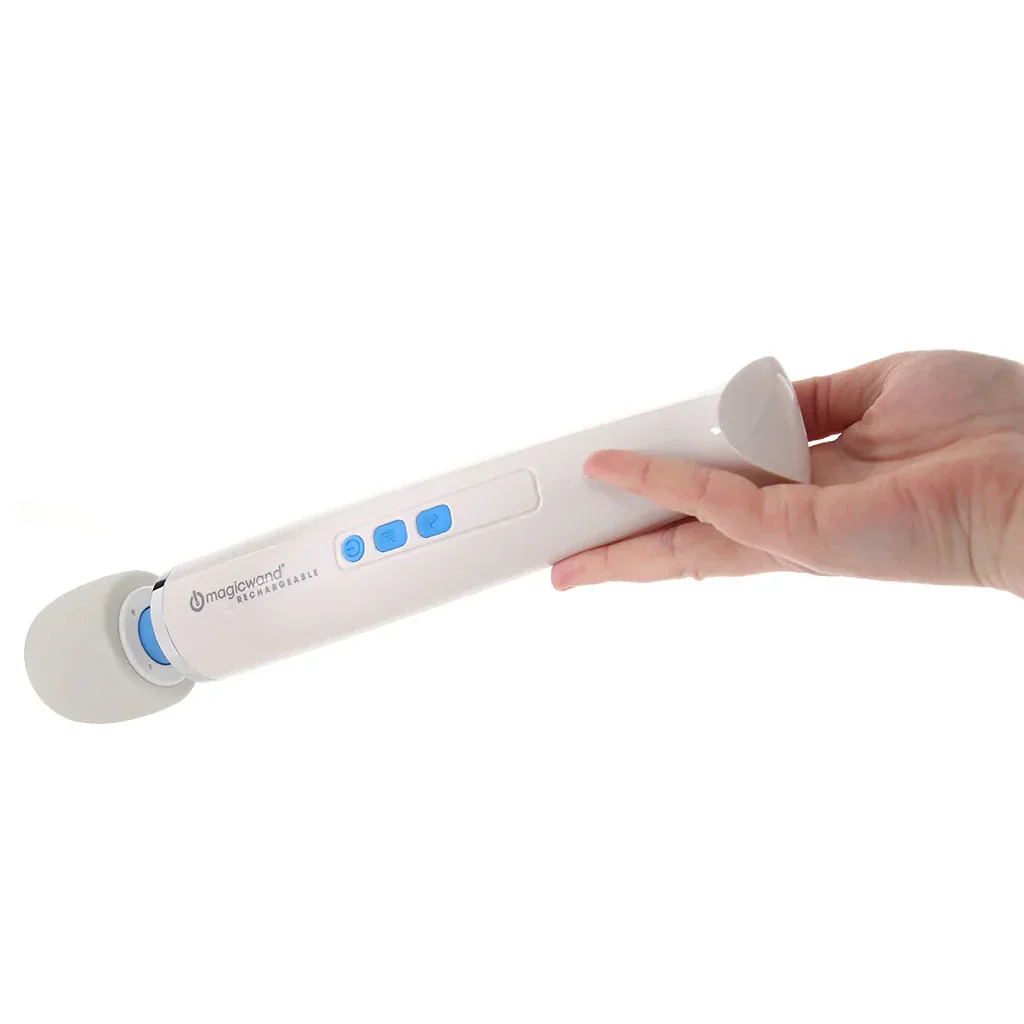
Vulvar Vibration Therapy: A Practical Guide to Building Arousal and Orgasm
This practical handout teaches you how to use vulvar vibration therapy to build arousal, increase sensitivity, and work toward orgasm. You’ll learn clear, step-by-step techniques, including how to manage intensity, follow pleasure, and develop a deeper understanding of your body.

Sex as a Skill: How Married Couples Build Better Sex Through Practice, Not Luck
Many married couples quietly believe that good sex should happen naturally, and that belief keeps them stuck. This article shows why sexual satisfaction is usually built through skill, not luck, and gives couples a practical framework for getting better together. Inside, you will learn three named techniques that help you observe more carefully, adjust more effectively, and stop disrupting what is already working. If you want your sex life to feel more confident, consistent, and responsive, this is the right place to start.

Spiritual Intimacy Worksheet
Spiritual intimacy is about more than religion. It is the shared alignment of your beliefs, values, and sense of purpose. When couples lack this alignment, they often feel disconnected or pulled in different directions, even if everything else seems fine. This worksheet helps you clarify what matters most, identify where you and your partner align, and start building a shared vision for your life together. If you want a stronger, more unified relationship, this is where you start.

Sensate Focus: Handout 5
Stage 4 of Sensate Focus introduces mutual touching, where both partners attend to the sensations of touching and being touched at the same time. This handout explains how to manage divided attention, include oral sensing as sensual exploration, and even change the setting to support awareness without increasing pressure. The focus remains on sensation rather than stimulation, helping couples maintain presence as intimacy becomes more complex.

Guided Vaginal Self Exam: Stage 3 – In Session
This handout explains Guided Vaginal Self Exam: Stage 3 – With the Coach, the most structured and supportive step in the GVSE progression. It describes how real-time professional guidance, clear visual setup, and coordinated participation between spouses can help address lingering discomfort or resistance after earlier stages. This stage is optional, carefully bounded, and designed to meet specific needs when private or couple-based practice is no longer sufficient.

Sensate Focus: Handout 4
Stage 3 of Sensate Focus introduces lotion to change the texture of touch and increase sensory complexity without increasing sexual pressure. This handout explains why altering sensation helps strengthen attentional focus and how to use lotion without turning the exercise into massage or stimulation. The emphasis remains on noticing sensation and redirecting attention as needed.

Guided Vaginal Self Exam: Stage 2 - Couple
This handout introduces Guided Vaginal Self Exam: Stage 2 – Couple, a nonsexual, educational exercise designed to deepen trust and understanding within marriage. It guides couples through a slow, verbalized exploration of the wife’s anatomy that emphasizes safety, reverence, and shared learning. Many couples are surprised by how grounding and connective this experience feels.

Sensate Focus: Handout 3
Stage 2 of Sensate Focus introduces breast and genital touch while keeping the same non-demand, sensory focus established in Stage 1. This handout explains how to include more sensitive areas without shifting into performance, stimulation, or outcome-driven touch. It also introduces positioning and the hand-riding technique as ways to support comfort and attention as sensations become more intense.

Guided Vaginal Self Exam: Stage 1 - Private
This handout guides sexual intimacy coaching clients through a private, self-directed version of the Guided Vaginal Self Exam. It offers a gentle, nonsexual way to build comfort and confidence with your own anatomy between sessions. Inside, you will find simple steps, preparation tips, and supportive language to help you reconnect with your body in a safe and values-conscious way.