Pornography: Choosing the Lesser Evil in a Broken Industry
A Personal and Uncomfortable Reflection
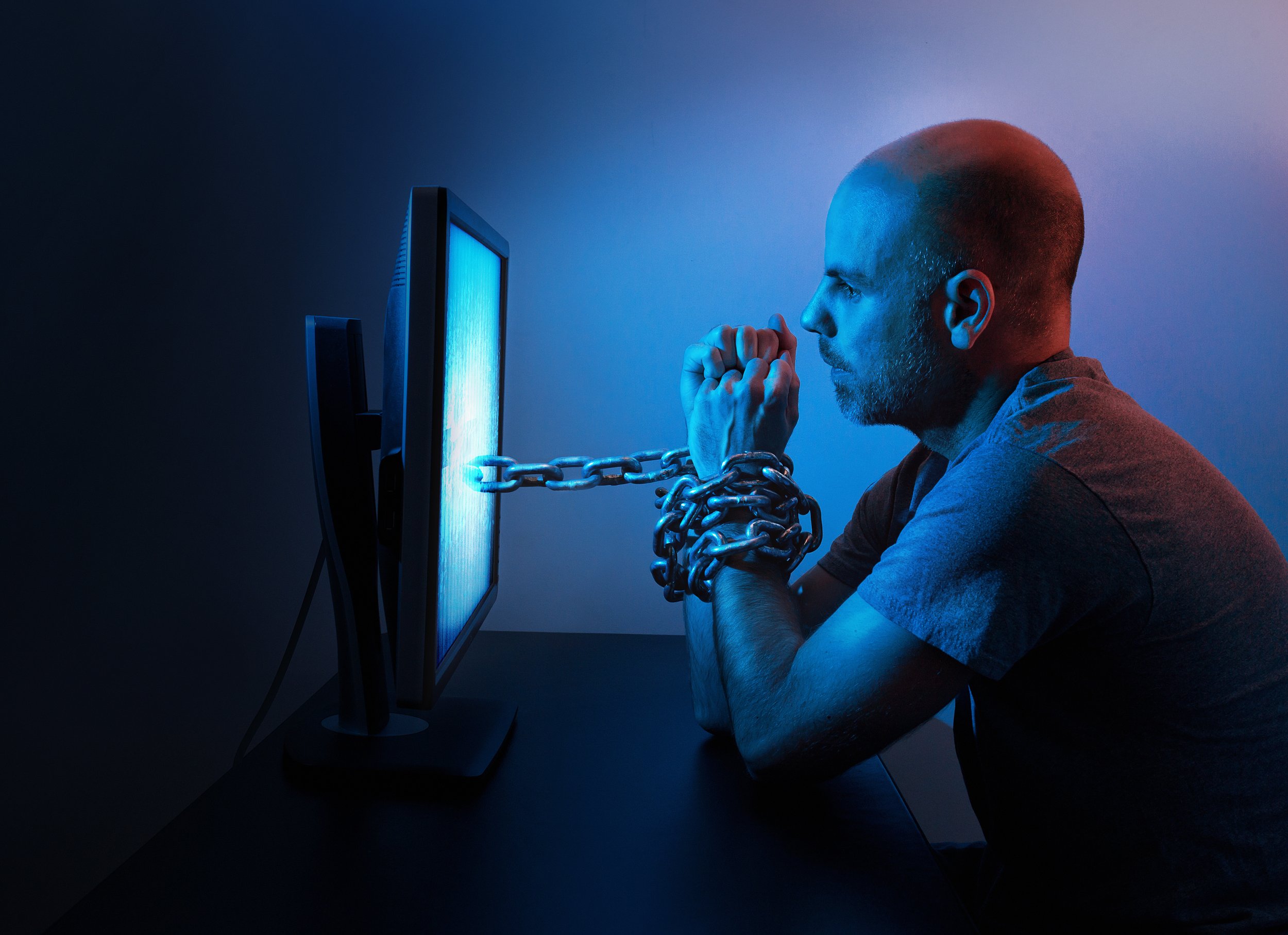
This topic makes people uncomfortable, and I understand why. Pornography is everywhere, and even people who dislike it often feel trapped by it. I believe pornography harms individuals, relationships, and society. I also recognize that it is not going away. For many years, when working with people struggling with out of control sexual behaviors (OCSB) relating to porn, I have endorsed the cold-turkey abstinence method. Over time, I have come to realize that that method doesn’t always work. While I still believe chastity is the goal, I now understand that choosing the lesser evil, while still an evil, is a step in the right direction.
A Turning Point in My Thinking
My thinking shifted while working with a young man who was not Catholic but wanted to break free from compulsive pornography and masturbation. For nine months we tried every standard tool: CovenantEyes, habit tracking, trigger identification, behavior modification, discipline, exercise, prayer, and intentional conversation. He put in sincere effort. Even so, he continued to fall into multi-day benders, sometimes using pornography three to six times a day. After each binge he felt a deep shame that made the next cycle more likely.
He did not lack desire for change. He lacked capacity for immediate and complete abstinence. Habit, neural conditioning, and emotional coping patterns held him tightly. His experience reminded me of Augustine’s honest confession: “Grant me chastity and continence, but not yet” (Augustine, trans. 1950). Many people know that tension. They want chastity in principle, but the “not yet” feels real and painful.
The Church has long recognized this reality. John Paul II taught the “law of gradualness,” which acknowledges that people grow toward the good in steps rather than in an instant (John Paul II, 1981). Aquinas taught that laws cannot remove every vice immediately because virtue develops slowly. If we push too hard, too fast, we can make things worse (Aquinas, trans. 1947). The Catechism explains that force of habit, immaturity, anxiety, and other psychological factors can reduce a person’s moral responsibility (CCC 1735; CCC 2352). These teachings do not weaken moral truth. They recognize human weakness and the slow work of healing.
Why Mainstream Porn Causes Such Harm
Pornography distorts the imagination and reshapes expectations. It presents sex as a production. Bodies are filtered, enhanced, and edited. Pleasure is exaggerated or staged for the camera. Real communication and negotiation disappear. Viewers absorb unrealistic expectations about bodies, responses, and desires, and those expectations damage real relationships.
The structure of the industry deepens the harm. Major sites have allowed unverified or nonconsensual uploads, including videos of minors. Algorithms steer users toward extreme or degrading categories. AI deepfakes can steal faces and identities. Survivors of abuse often discover their images on these platforms with no way to remove them. The porn supply chain intersects with trafficking networks, coercive recruitment, and unsafe working environments. This is not simply immoral. It is harmful at every level of natural human dignity.
The Moral Frame: Choosing a Lesser Evil
The Church draws a clear distinction between endorsing an evil and tolerating a lesser evil to prevent greater harm. Aquinas argued that authorities sometimes tolerate certain evils to avoid worse ones (Aquinas, trans. 1947). The Papal States once regulated brothels for this reason. They did not approve prostitution. They regulated it to protect women and to contain vice in a safer and more humane way.
In the same spirit, I believe we should recognize that pornography will not disappear. We cannot eliminate it, but we can reduce the harm it causes and protect vulnerable people from the worst parts of the industry.
Why MakeLoveNotPorn Is the Lesser Evil
I first learned about MakeLoveNotPorn (MLNP) through training with the Sexual Health Alliance and from conversations with its founder, Cindy Gallop. MLNP is still pornography, and it remains immoral under divine law. Nor is it virtuous under Aristotelian ethics, because it directs sexual appetite toward private pleasure rather than relational intimacy. Aristotle would see it as intemperance. Even so, it avoids many of the gravest harms that make mainstream pornography deeply vicious. Even in natural philosophy terms, it is not the good, but it is the lesser evil.
Less unethical features.
MLNP requires real consent, human moderation, and the absence of coercion. All videos come from adults who choose what to share. There are no anonymous uploads and no producers pressuring performers. There is no direct messaging, which protects creators from harassment and parasocial dependence.
Reduced exploitation risks.
There is no trafficking pipeline, no violent algorithm escalation, and no business model that rewards degradation or extremity.
Significant business model differences.
Creators own their content. MLNP does not depend on stolen videos or unverified uploads. It does not push creators onto TikTok, Instagram, or Snapchat to promote “thirst trap” content. In contrast, OnlyFans flows into mainstream social media and encourages creators to escalate behavior to retain subscribers. Direct messaging on OnlyFans creates real safety risks and blurs boundaries in unhealthy ways.
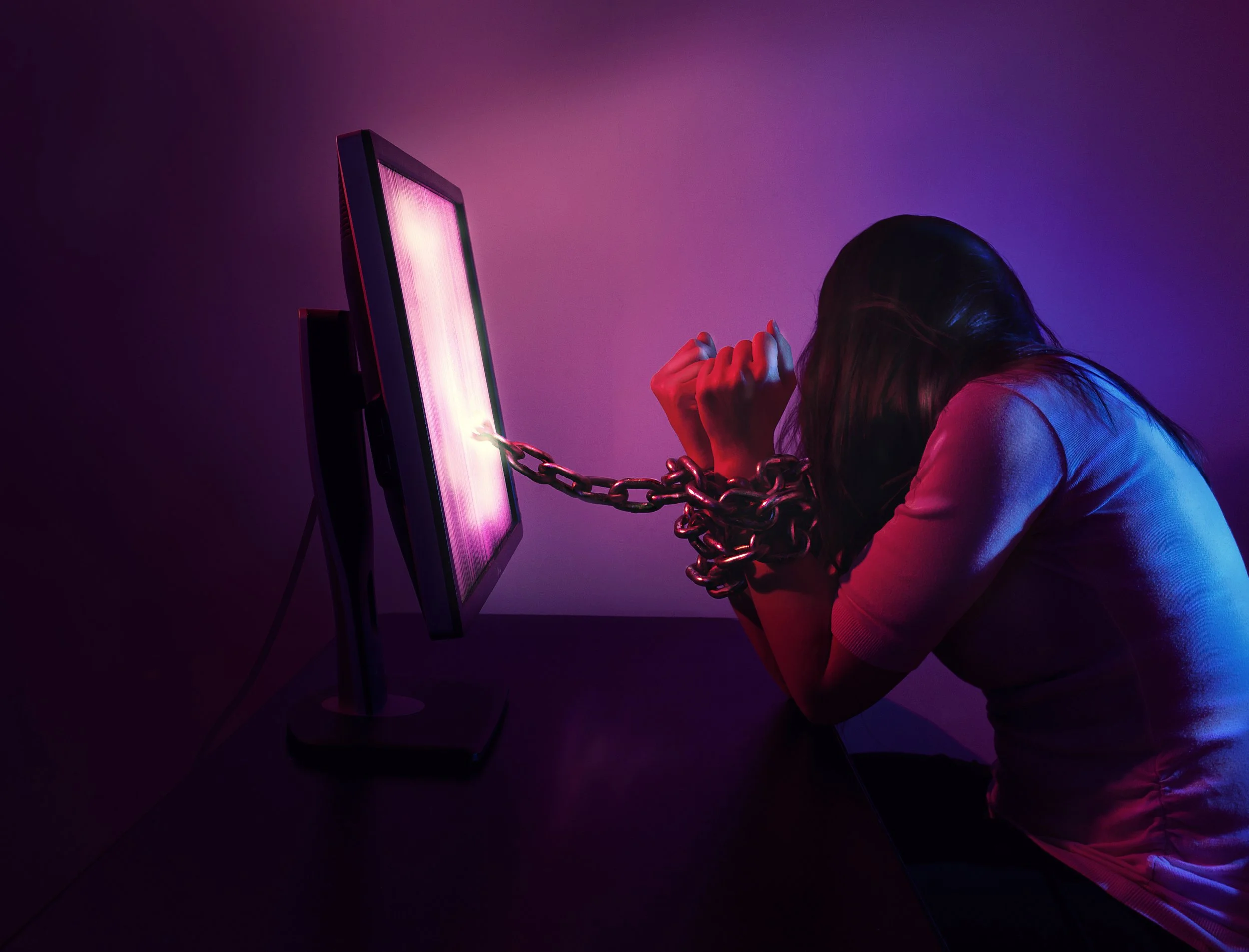
MLNP is not virtuous. It is simply less harmful. It is the regulated brothel in a digital age.
The Lesser Evil
MLNP is not virtuous. It is simply less harmful. It is the regulated brothel in a digital age.
A Firm and Compassionate Challenge
I will never encourage anyone to use pornography. Chastity remains the moral goal. But many people are not yet able to reach that goal immediately. If quitting pornography feels out of reach right now, or if you are in the early stages of trying to change this pattern, I challenge you to stop supporting platforms built on exploitation and coercion. Move away from the mainstream porn industry entirely. If you are not yet able to abstain, choose the lesser evil while you continue the climb toward freedom.
MLNP can serve as a temporary step. It can reduce shame, recalibrate expectations, and create a clearer path toward long-term chastity.
A Hopeful Path Forward
God works gradually. Grace builds on nature. Healing takes time. You do not need shame to change. You need honesty, patient steps, and a path that leads upward. If you feel caught between who you want to be and what you are able to do today, contact me. I am always willing to walk with you through this, one step at a time.
References
Aquinas, T. (1947). Summa Theologica (Fathers of the English Dominican Province, Trans.). Benziger Brothers. https://www.newadvent.org/summa/
Augustine. (1950). The Confessions of Saint Augustine (J. G. Pilkington, Trans.). Eerdmans. https://www.ccel.org/ccel/augustine/confessions
Catholic Church. (1997). Catechism of the Catholic Church. Vatican Publishing. https://www.vatican.va/archive/ENG0015/_INDEX.HTM
John Paul II. (1981). Familiaris Consortio. Vatican Publishing. https://www.vatican.va/content/john-paul-ii/en/apost_exhortations/documents/hf_jp-ii_exh_19811122_familiaris-consortio.html
